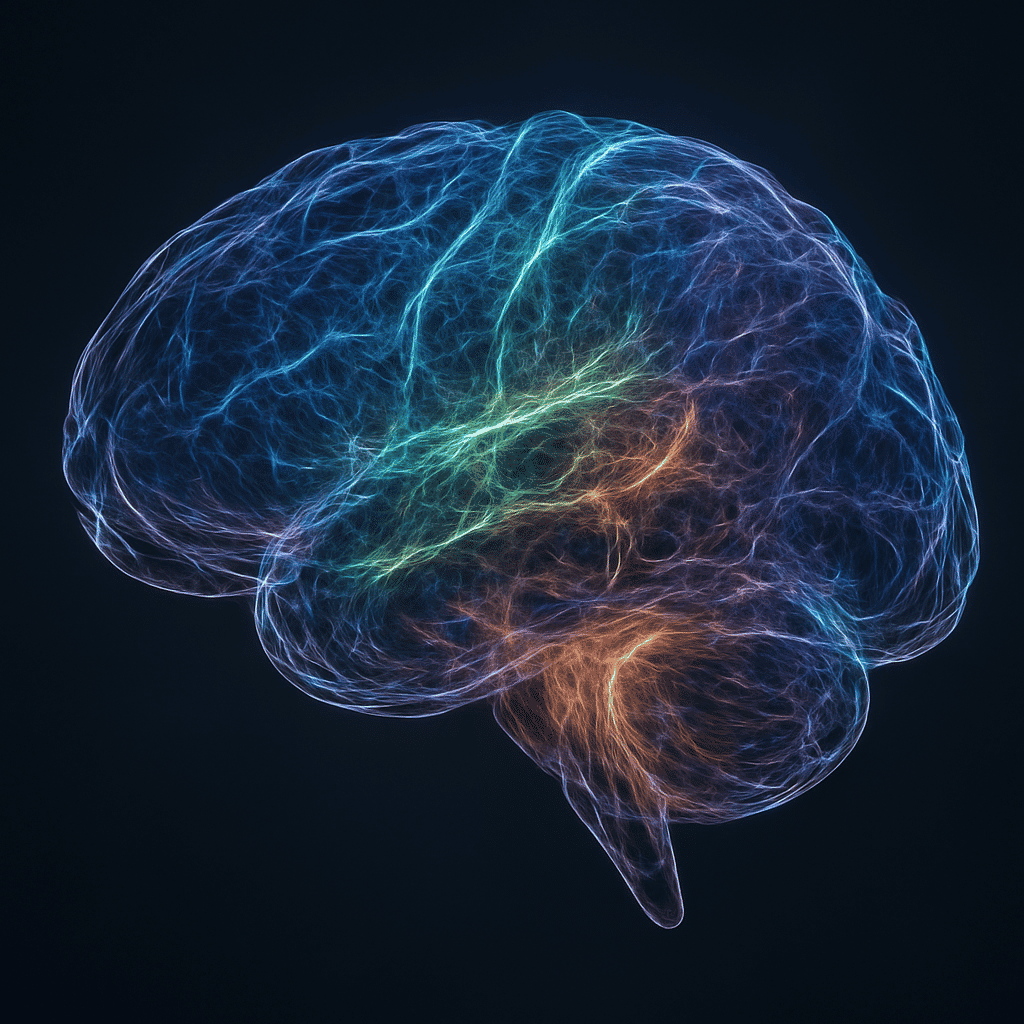
In recent years, the field of neuroscience has witnessed revolutionary advancements thanks to the development of sophisticated imaging technologies. These innovations have illuminated the complexities of brain connectivity, providing unprecedented insights into how different regions of the brain communicate and collaborate to facilitate our thoughts, emotions, and actions. A groundbreaking study conducted by researchers at Bright Minds has leveraged these cutting-edge technologies to map intricate brain networks, revealing secrets that pave the way for significant scientific and medical advancements.
At the heart of this exploration is the utilization of advanced imaging techniques such as diffusion tensor imaging (DTI) and functional magnetic resonance imaging (fMRI). These tools allow neuroscientists to observe the brain in action, capturing the intricate dance of neural activity as it unfolds. By applying these methods, researchers at Bright Minds have created detailed maps of the brain’s connectivity, shedding light on previously obscured aspects of brain function.
One of the most exciting revelations from this research is the identification of new pathways that link different parts of the brain. These connections are critical for understanding how the brain integrates information from various sensory inputs, processes it, and generates the appropriate responses. For instance, identifying the precise routes by which visual and auditory information converge and influence decision-making processes has tremendous implications for understanding cognitive functions and disorders.
Moreover, this enhanced map of the brain's connectivity offers insights into neuroplasticity—the brain's incredible ability to reorganize itself by forming new neural connections. This knowledge is essential for developing effective rehabilitation strategies for individuals recovering from strokes or brain injuries, as it provides a clearer picture of how alternative routes can be utilized to bypass damaged areas and restore function.
Another significant outcome from these advancements is the improved understanding of psychiatric and neurological disorders linked to disrupted brain connectivity. Conditions like schizophrenia, autism, depression, and epilepsy often involve abnormal communication between brain regions. The detailed mapping provided by Bright Minds’ research offers a promising avenue for developing targeted interventions and personalized treatment plans, potentially transforming the way these conditions are managed and treated.
The implications of this research extend beyond healthcare. By understanding the brain’s connectivity in greater detail, we begin to unravel the mysteries of human cognition, potentially leading to advancements in artificial intelligence and machine learning. By mimicking the brain's network, these technologies can evolve, becoming more sophisticated and better integrated into our daily lives.
The journey undertaken by Bright Minds is a testament to the power of collaboration between technological innovation and scientific inquiry. As imaging technology continues to advance, the potential to uncover more secrets of the brain's connectivity broadens, promising a new era of understanding that bridges the gap between biology and behavior.
In conclusion, the work conducted by Bright Minds exemplifies the transformative power of advanced imaging technologies in neuroscience. By offering a more detailed view of brain connectivity, these groundbreaking discoveries hold promise for enhancing our understanding of the human brain, improving neurological healthcare, and influencing the future direction of cognitive science and technology. As we continue to delve deeper into the enigmatic networks of the brain, one thing becomes clear: we are only at the beginning of what promises to be an extraordinary journey into the very essence of human thought and experience.